Why Synthetic Roofing Systems Master Harsh Midwestern Weather Condition Conditions
Anyone who has invested a couple of years having a home in the Midwest finds out the exact same lesson the hard way: roofing materials are evaluated less by how they look on a sunny mid-day and more by just how they carry out in late January, during a spring hailstorm, or after a week of freeze-thaw cycles. The roofing over a Midwestern home needs to deal with heat, subzero cold, ice, wind, sleet, hefty rain, and abrupt weather condition swings that would certainly be uncommon in many various other areas. That mix subjects the strengths and weak points of every roof in a hurry.
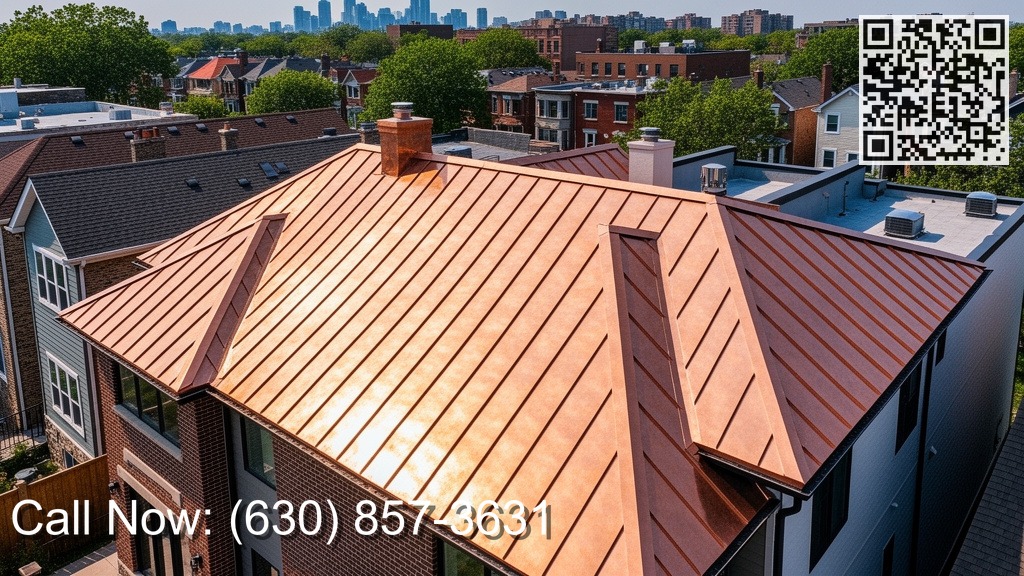
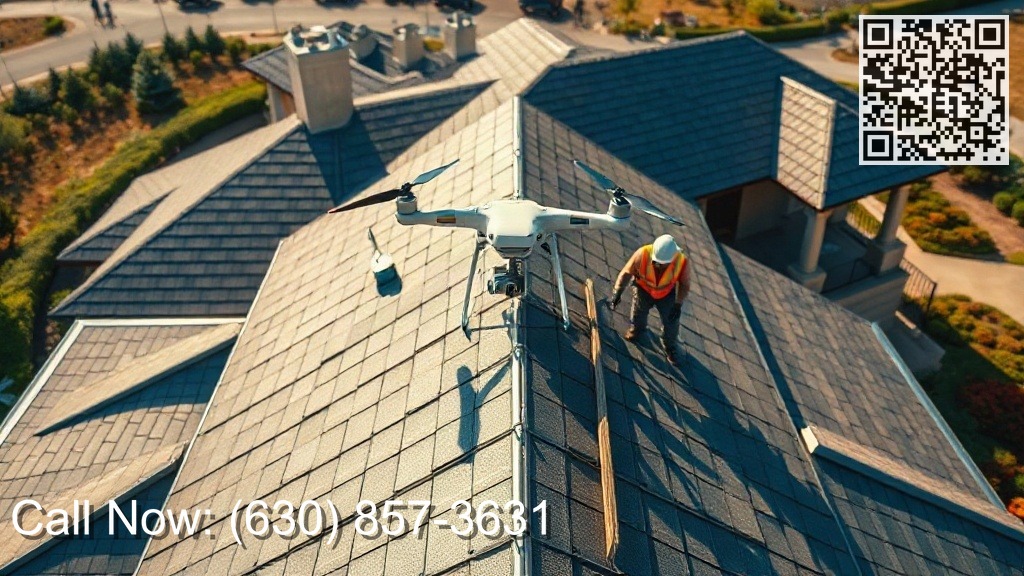
This is where synthetic roofings have actually taken a serious credibility. Not because they are stylish, and not because they promise some miracle treatment for every roofing trouble, but since the material science behind them lines up uncommonly well with the environment needs of states like Illinois, Indiana, Wisconsin, Michigan, Iowa, and Missouri. In my experience, property owners often begin the conversation concentrated on look, specifically if they admire cedar shake, slate, or other high-end profiles. By the time the conversation mores than, they are generally paying equivalent interest to effect resistance, weight, securing techniques, upkeep expectations, and how the roof will act after 10 Midwest winters.
Synthetic roofing has matured well beyond the novelty phase. Today's architectural artificial roof covering products are crafted to simulate natural materials while fixing a number of the vulnerabilities that have historically made those materials difficult to have in severe climates. For property owners considering a long-lasting financial investment, particularly those weighing artificial roofing replacement choices versus asphalt, cedar, or all-natural slate, the discussion deserves a close, practical look.
The Midwest is distinctly tough on roofs
Some climates are foreseeable. The Midwest is not. A roofing system below might cook under summertime sun at temperature levels warm enough to soften low-grade materials, then face sudden thunderstorms with wind-driven rainfall. In wintertime, that very same roofing might hold wandering snow, create ice along eaves, and cycle via duplicated cold and thawing. Spring frequently brings hailstorm, and loss can bring temperature level swings huge sufficient to tension seals, flashings, and fasteners.
Those rapid changes matter. Roof covering materials expand and agreement. When that activity is extreme, or when a product becomes breakable in the cool, little weaknesses start to appear at ridges, valleys, around infiltrations, and along edges where wind stress is strongest. Home owners do not constantly see the earliest indications from the ground. What they discover later is a discolor on a ceiling, lifted tabs, missing pieces after a tornado, or a repair work price quote that arrives years faster than expected.
That's one reason synthetic roofing systems have actually obtained grip in position like Chicagoland. They are not unsusceptible to bad installation or inadequate air flow, due to the fact that no roofing system is, however high quality artificial products are developed to tolerate a broader series of ecological stress and anxiety than many conventional products. In an environment that regularly checks every component on the roofing system setting up, that resistance matters.
Material engineering, not marketing, describes the appeal
A great deal of the worth in premium synthetic roof covering comes down to what it is made from and how it is produced. The exact formula varies by brand name, however lots of artificial roof covering roof shingles are generated from engineered polymers, recycled composites, virgin resins, or blends developed to supply flexibility, longevity, and effect resistance without the fragility associated with all-natural slate or the upkeep burden of wood.
That adaptability is a major benefit in winter. Natural products can split when struck by hail storm or when emphasized during a deep freeze. Lower-end items may become weak sufficient that basic roof website traffic from a solution specialist can trigger damages in winter. Good artificial materials often tend to remain more secure across larger temperature level varieties. They can take in force better, recoup more effectively from impact, and resist splitting in manner ins which matter in the field, not simply in item brochures.
Weight is another functional aspect. Conventional slate is attractive, yet it is heavy enough that structural capability becomes part of the discussion. Some homes can sustain it. Others need support, which changes the budget plan fast. Synthetic choices supply the appearance of slate or shake without adding that same architectural burden. For lots of property owners, specifically those planning a synthetic roofing substitute on an existing home, that can simplify the job substantially.
Hail resistance is where artificial roofs commonly different themselves
If you have ever strolled a community after a Midwest hailstorm event, the pattern becomes apparent. You will certainly see bruised asphalt, cracked floor tile, nicked metal devices, and insurance policy insurers moving from residence to house. Hailstorm is one of one of the most pricey kinds of roofing system damage in the area, not just due to the fact that it triggers instant impact damage, yet due to the fact that it reduces the life span of materials that endure the first storm.
Many costs artificial roof items are designed with influence resistance as a core marketing factor. That matters because hail performance is not just about whether a roofing leakages the next day. It is additionally about whether the material has actually been endangered in such a way that will certainly cause premature failing two or 3 periods later on. A roof covering can look acceptable from the street and still have cracks, granule loss, or surprise damage that increases aging.
On higher-end homes, particularly those using artificial roof for high-end homes, proprietors are typically attempting to shield both efficiency and look. All-natural slate can chip. Cedar can split. Some artificial alternatives manage effect with less noticeable damages while maintaining the intended appearance of the roof covering plane. That is a significant benefit in areas where aesthetic allure lugs real value.
I have seen situations where property owners at first disregarded artificial items because they thought "composite" indicated light-weight in a negative sense, practically disposable. After that they handled full-size examples and saw screening information on effect efficiency, fire scores, and wind resistance. The understanding altered rapidly. An excellent synthetic roof must not really feel lightweight. It needs to feel engineered.
Freeze-thaw toughness makes a quiet but important difference
Hail obtains attention because it is significant. Freeze-thaw damage is quieter, slower, and equally as pricey gradually. Water discovers its way into small openings, ices up, broadens, and widens those openings. Repeat that cycle usually enough and the roof assembly starts to deteriorate around vulnerable points. This is one reason the Midwest is so unrelenting to products that take in dampness or end up being delicate in the cold.
Synthetic roofs perform well here partly due to the fact that much of them resist moisture absorption better than natural materials. Wood can hold wetness. Some mineral-based materials are susceptible to splitting when water intrusion and cold combine. Engineered synthetics, by comparison, are commonly much less permeable and less most likely to experience the very same internal breakdown.
That does not get rid of the demand for proper underlayment, ice and water shield, ventilation, and flashing detail. It just suggests the visible roof covering material is less likely to come to be the weak link. For a domestic synthetic roof covering job, that can translate into less migraines in late winter when ice dams, snow build-up, and attic heat loss beginning exposing every mistake under the surface.
Wind performance matters greater than many property owners realize
Midwestern storms are seldom gentle. Straight-line winds can be ruthless, and also average tornado fronts can create gusts strong sufficient to make use of small installment mistakes. As soon as the edge of a roof covering system starts to fall short, the trouble can spread rapidly. That is why fastening patterns, starter courses, ridge outlining, and border steel matter so much.
Quality artificial roofing systems are frequently examined for high wind performance, and many items are manufactured with interlocking or secure fastening designs that help them keep in unfavorable conditions. This is not only an item tale. It is an installment story. A roofing is just as dependable as the staff that installs it. Even superior materials can underperform when the installer neglects manufacturer specifications or cuts corners on deck preparation.
That is why home owners looking for synthetic roof covering Chicago services or an artificial roofer Chicagoland ought to pay very close attention to installer experience. A synthetic roofing company that primarily sets up common asphalt and only sometimes works with specialized compounds might not come close to detailing with the very same precision as a team that on a regular basis manages building artificial roof covering. The difference shows up where it matters most, around valleys, chimneys, skylights, hips, ridges, and changes between roofing system planes.
Appearance belongs to the equation, particularly in recognized neighborhoods
The performance situation for synthetic roof coverings is solid, but appearances still drive several purchase choices, especially in older suburban areas, custom-home areas, and architecturally unique areas. Home owners desire a roofing system that fits the design of the property. In position with historical influence or high https://miloptrd297.brightpathdigest.com/posts/why-homeowners-select-synthetic-roof-naperville-il-for-long-term-efficiency layout standards, basic three-tab and even common dimensional asphalt can watch out of place.
This is where building synthetic roofing has ended up being especially compelling. The best items do not simply mimic slate or cedar from a range. They recreate appearance, shadow lines, variant in thickness, and color depth in a manner that reads as deliberate and improved. On a steep-slope home with famous rooflines, that visual effect can be substantial.
For homeowners seeking synthetic roof Naperville IL or similar high end suv markets, the visual flexibility is commonly a making a decision variable. Most of these homes are huge sufficient that the roofing is a major building attribute, not a history surface. Synthetic products enable owners to go after a slate or drink visual without taking on the architectural, upkeep, or weather-related downsides that natural products can generate this climate.
Lighter weight aids in both old homes and customized homes
An usual misunderstanding is that weight always equates to quality. In roof, that is just partly real. Much heavier items may really feel significant, but they also position much more demand on the structure listed below. That can make complex both brand-new construction and retrofit projects.
With synthetic roofing systems, lighter weight frequently ends up being a practical benefit. On older homes, it may allow the owner to attain a premium look without strengthening framing. On newer custom homes, it can use more style freedom while minimizing architectural tons. On facility rooflines with turrets, dormers, flared eaves, or steep pitches, lighter product can also make dealing with and installment much safer and even more efficient.
There is one more real-world benefit. Roofing staffs collaborating with lighter synthetic materials can frequently move extra precisely and with less damage during synthetic roof covering installation. Natural slate and floor tile can split throughout handling. Timber can split or differ in quality from item to piece. Synthetic items are usually much more consistent, which helps knowledgeable synthetic roofing system installers keep look and placement across huge roofing system areas.
Maintenance often tends to be much more manageable
No roofing system is maintenance-free, and any person promising that should be treated with care. Branch abrasion, stopped up rain gutters, poorly aired vent attic rooms, stopped working sealants, and tornado damages can affect any material. However, synthetic roofing usually decreases the regular upkeep burden compared to cedar shake and some other standard products.
Wood roofs, as an example, usually need ongoing surveillance for moisture retention, mold, mildew, insect activity, and splitting. Natural slate can last a long time, however fixings can be specialized and costly, particularly when matching products or working around breakable ceramic tiles. Asphalt is easier, but it can lose granules, curl, or age erratically under extreme weather stress.
An effectively installed domestic artificial roof typically lands in a beneficial happy medium. It can provide a high end look with less regular repair service need, fewer problems about rot or insect damages, and far better durability after regular climate events. That does not suggest proprietors can ignore inspections. It suggests the roof is less likely to penalize overlook immediately.
Installation top quality decides whether the item measures up to its promise
If there is one factor I would stress to any kind of house owner, it is this: the material is just half the task. The installer figures out the rest.
A capable artificial roofer recognizes that specialty products need more than common roof covering routines. Deck condition must be evaluated honestly. Underlayment option has to match environment demands. Flashing information ought to be updated where needed, not reused due to the fact that it saves time. Penetrations need careful therapy. Air flow must be resolved, particularly in homes with a background of ice damming or uneven attic temperatures.
When house owners speak with a synthetic roofing business, they should ask certain concerns concerning previous jobs, team training, maker familiarity, and exactly how the firm deals with shifts and accessory details. A solid professional will address concretely, not slightly. They will speak about intake and exhaust ventilation, ice barrier placement, attaching approaches, and why specific information issue in local problems. A weak contractor typically changes the discussion back to price.
That is especially essential in markets like synthetic roof Chicago, where weather direct exposure is intense and architectural designs vary widely. A low quote can become pricey if the installer overlooks the practical needs of the home.
Cost is greater upfront, yet that is not the entire calculation
Synthetic roofing typically costs more upfront than typical asphalt shingles. That much is true. For some homeowners, the premium is substantial enough to rule it out instantly. For others, the decision is less concerning access rate and more about long-term value.
A roofing should be judged over its service life, not simply by the contract quantity joined installment day. If an artificial roofing offers far better resistance to hail, wind, breaking, and weather-related aging, there can be fewer fixings, fewer early replacements, and less aesthetic wear and tear with time. On homes where look issues, preventing a noticeably worn out roof covering after a reasonably short period has worth as well.
Insurance factors to consider can additionally go into the picture, though this differs by carrier and plan. Some impact-resistant products may receive price cuts in particular situations, while others might not. House owners must confirm details straight with their insurer rather than thinking a benefit.
The far better means to think about cost is to ask a better concern: what am I buying past the product itself? If the answer consists of boosted storm strength, a premium building appearance, reduced maintenance stress, and the possibility of a longer service perspective, then the higher first investment can make good sense, specifically for long-term owners.
Where synthetic roofing makes one of the most sense
Synthetic roof covering is not immediately the very best suitable for every home. Budget-driven projects on moderate homes may be much better served by high-grade asphalt if the proprietor anticipates to move quickly. Some historic districts have product limitations that call for mindful review. And not all artificial products are equivalent. There is a wide range in between commodity-grade replica items and well-engineered costs synthetic roofing.
Still, synthetic roofs are specifically engaging in a few common scenarios:
- homeowners replacing cedar or slate yet desiring much less maintenance and higher storm resistance
- custom homes where the roofing system is a major aesthetic feature
- properties in hail-prone or wind-prone locations across the Midwest
- long-term possession circumstances where lifecycle value matters greater than the lowest bid
- projects where architectural weight is an issue yet a luxury appearance is still desired
Those usage cases show up usually in the Midwest due to the fact that the region combines severe weather condition with a large housing supply that includes everything from century-old homes to expansive new builds. Few roof covering classifications serve that variety as effectively as synthetic roofing systems.
A much better suit for the climate home owners in fact live in
The factor artificial roofing systems excel in rough Midwestern climate condition is not mysterious. The region requires a material that can take a beating without becoming an upkeep burden, and top quality synthetic products are built with precisely that obstacle in mind. They stand up to impact much better than several typical products, manage freeze-thaw stress and anxiety well, stay clear of the weight fines of slate, and provide a level of style adaptability that appeals to both practical and design-conscious homeowners.
For a property owner reviewing artificial roof installation, the smartest technique is to treat it as both a material decision and a specialist choice. The item must be shown. The installer must be experienced. When those 2 items align, the result is a roofing system that does more than make it through Midwest weather. It remains attractive, reliable, and structurally practical through the sort of seasons that reveal weak selections fast.
That is why so many homeowners that begin the process searching for a premium look end up selecting synthetic for an extra grounded factor. It fits the climate. And in the Midwest, that might be the most crucial feature a roofing can have.
When Quality Matters
Salvo Architectural Roofing Contractors
566 West 5th Ave Naperville, IL 60563
(630) 857-3631
 Ask ChatGPT
 Ask Grok
 Ask Perplexity
 Ask Claude
 Ask Google AI
 Ask You